
Stay informed with expert advice, training strategies, nutrition tips, and success stories to help you achieve your fitness goals.

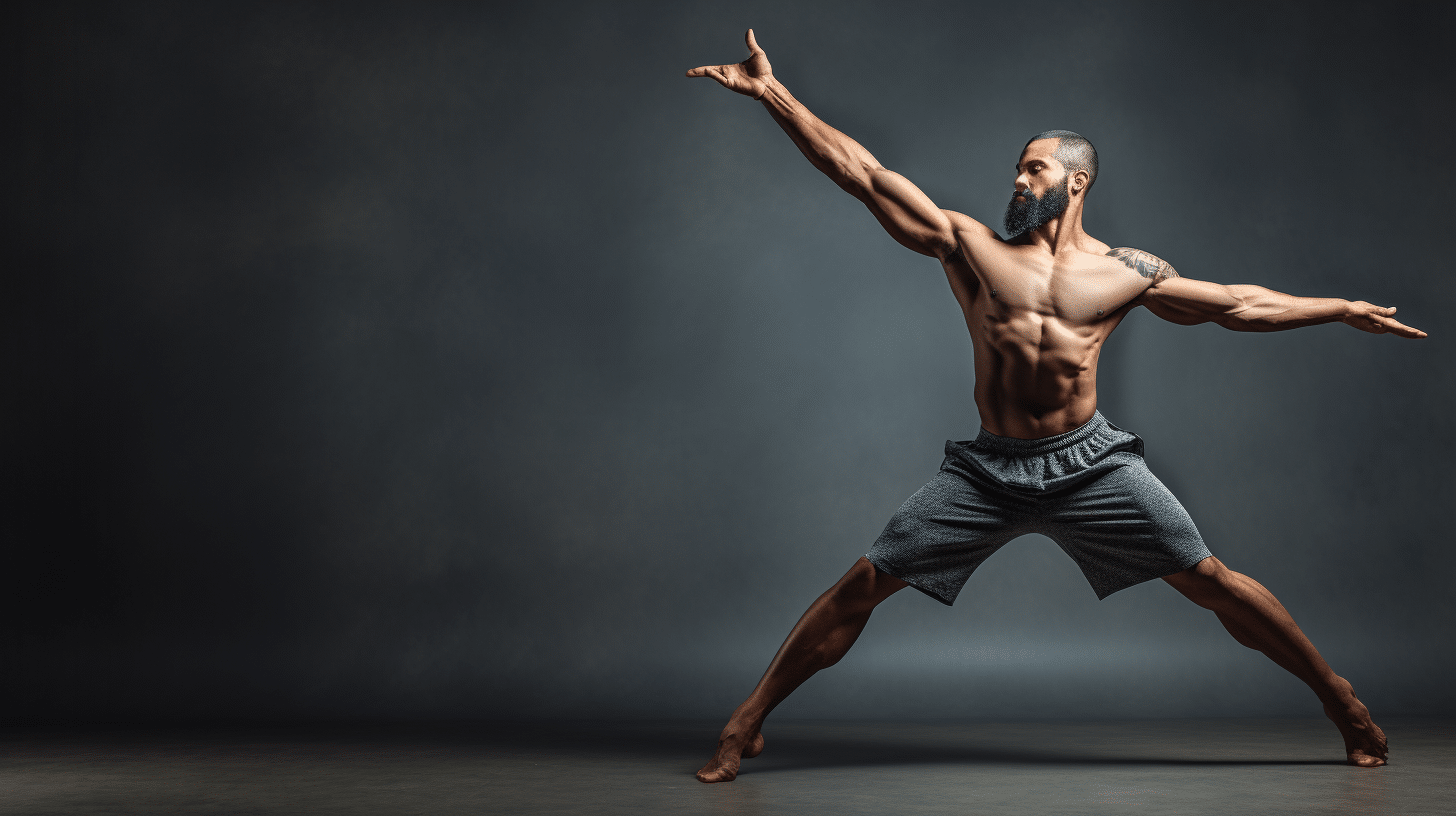
Competitors spend months meticulously tracking their nutrition, following detailed training programs, and monitoring every aspect of their physique development. Yet posing, the actual skill of presenting that physique on stage, often gets far less structured attention, despite playing a genuinely significant role in how judges perceive and score a competitor's overall package.
Why Posing Isn't Just an Afterthought
The same physique can look dramatically different depending on how it's presented on stage. Proper posing highlights your strongest muscle groups, creates the illusion of better proportion and symmetry, and conceals areas that are still developing, all while conveying confidence and stage presence that judges genuinely factor into their scoring. Two competitors with similar physiques can place very differently based purely on posing execution.
Category-Specific Posing Requirements
Different competition categories, whether Bikini, Wellness, Figure, or Physique divisions, have distinct posing standards and expectations. What looks appropriate and competitive in one division may not translate to another, which means posing practice needs to be specifically tailored to your actual competition category rather than generic posing advice that doesn't account for these differences.
Why Mandatory Poses Deserve Focused Practice
Beyond your individual posing routine, mandatory poses required during comparisons are where judges get their most direct look at your physique next to other competitors. These poses need to be practiced until they feel natural and controlled, since visible shaking, poor symmetry, or an unconfident presentation during mandatory poses can meaningfully affect scoring regardless of how strong your underlying physique actually is.
Building Stage Presence Alongside Technical Posing
Beyond hitting technically correct poses, how you carry yourself on stage, your facial expression, your confidence, and how you transition between poses all contribute to overall presentation. This aspect of posing is often the hardest to develop and typically requires more repeated practice and feedback than the technical poses themselves.
Why Practicing in Front of a Mirror Isn't Enough
Many competitors practice posing alone in front of a mirror, which helps with basic muscle control but doesn't replicate the actual experience of posing under stage lighting, holding poses for extended comparison periods, or receiving feedback on how a pose actually looks from a judge's perspective rather than your own mirror view, which can be misleading.
Why Posing Practice Should Start Early in Prep
Waiting until the final weeks before a show to seriously practice posing puts unnecessary pressure on what should be a well-rehearsed, confident presentation by contest day. Starting posing practice early in prep, well before peak week, allows time to build genuine muscle memory and stage confidence rather than cramming this critical skill in at the last minute.
Why Coaching Feedback on Posing Matters
Getting honest, specific feedback on your posing, what's working, what needs adjustment, and how your specific physique should be presented, is difficult to achieve through self-assessment alone. A coach who understands both your physique and the standards of your specific competition category can provide the kind of targeted feedback that meaningfully improves your on-stage presentation.
Coach Tien works with competitors on posing practice as a core part of contest prep, not an afterthought squeezed in during the final weeks before a show.

Preparing for your next competition and want your posing to match your physique? Reach out to MuyTien to build that skill properly.


